Tesla Model Y Buyer's Guide: The Do-Everything EV
The Tesla Model Y is the world's best-selling EV for a simple reason: it does everything. Up to roughly 330 miles of EPA-rated range, 76 cubic feet of cargo, seating flexibility, and the refreshed generation's dramatically quieter cabin. The complete buyer's guide.
Key takeaways
- The Model Y is the best-selling EV in the world — the do-everything crossover that fits most lives with zero ceremony.
- Up to roughly 330 miles of EPA-rated range, 76 cubic feet of maximum cargo, and up to 3,500 lb towing.
- The refreshed generation brought a quieter cabin, sharper styling, a smoother ride, and an 8-inch rear touchscreen.
- Performance trims reach 60 in around 3.5 seconds; even base cars out-accelerate most compact SUVs.
- It holds value well because demand never stops — which makes verified-battery used examples the smart entry. Every one we list qualifies.
Why is the Model Y the world's best-selling EV?
Because it removed every excuse. Too small? Seventy-six cubic feet of cargo. Too slow? Quicker than most sports sedans of a decade ago. Range anxiety? Up to roughly 330 EPA-rated miles and the Supercharger network. Too weird? It drives like the normal crossover everyone already owns — just better, quieter, and cheaper to run.
The Model Y is what happens when the Model 3's platform grows a hatch, a higher seat, and a family-first interior. It became the default electric family car on merit, and the used market now offers that merit at a discount.
See the current selection in our verified Model Y inventory.
Model Y specs at a glance
Approximate figures for recent model years — the refreshed generation improved nearly every line:
- Range: up to roughly 330 miles EPA depending on trim and year (EPA estimates when new; real-world varies).
- 0–60 mph: from about 4.6 seconds (Long Range AWD) to roughly 3.5 (Performance).
- Cargo: up to 76 cu ft with seats folded; powered liftgate; front trunk for the charging kit and groceries.
- Towing: up to 3,500 lb with the tow package.
- Displays: 15.4-inch center screen plus an 8-inch rear touchscreen.
- Charging: up to 250 kW DC — roughly 165–200 miles restored in 15 minutes; full overnight charging at home.
- Safety: five-star NHTSA overall rating, consistent with the Model 3 it shares its bones with.
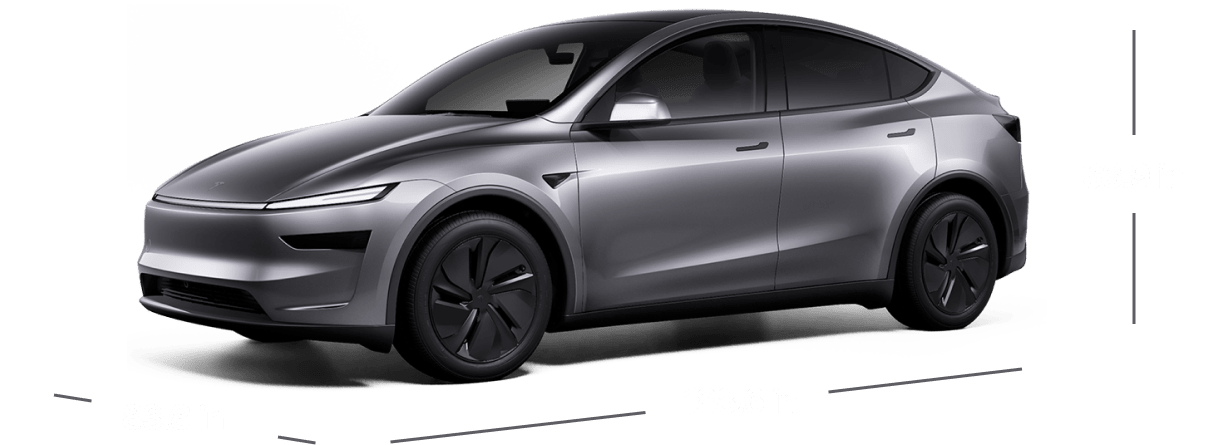
The refresh: what actually changed
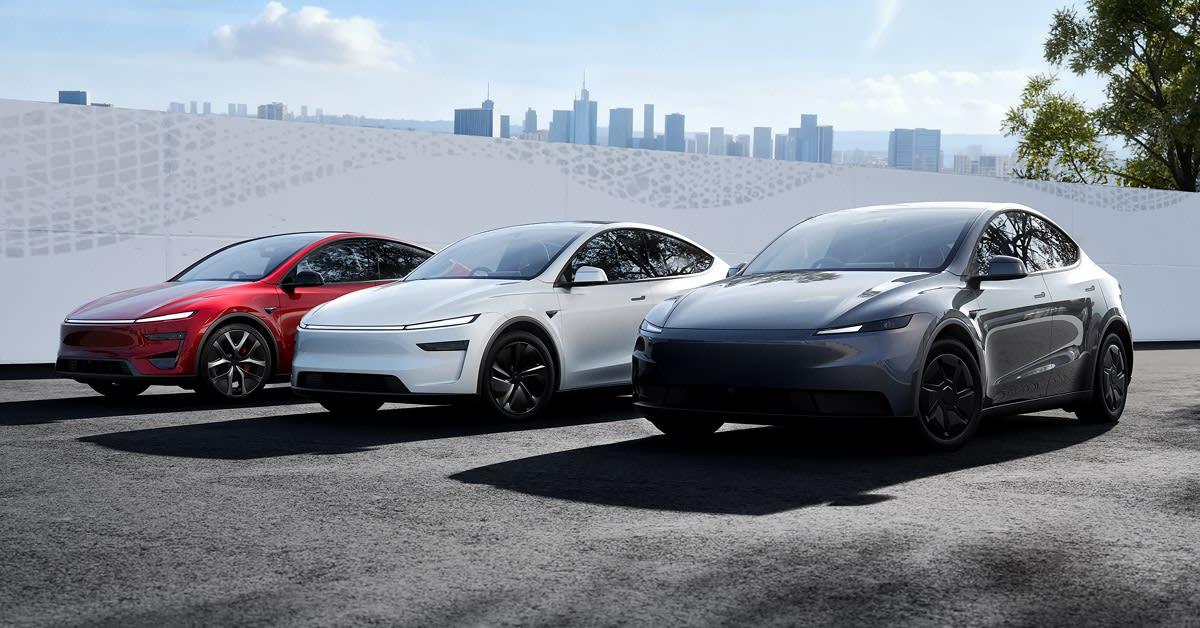
The updated Model Y answered the old car's two honest criticisms — ride and noise. Acoustic glass, retuned suspension, and structural refinements produced a cabin that is measurably quieter at highway speed and a ride that finally matches the price point. The styling sharpened too: a full-width light bar, cleaner fascia, and better aerodynamics that feed straight back into range.
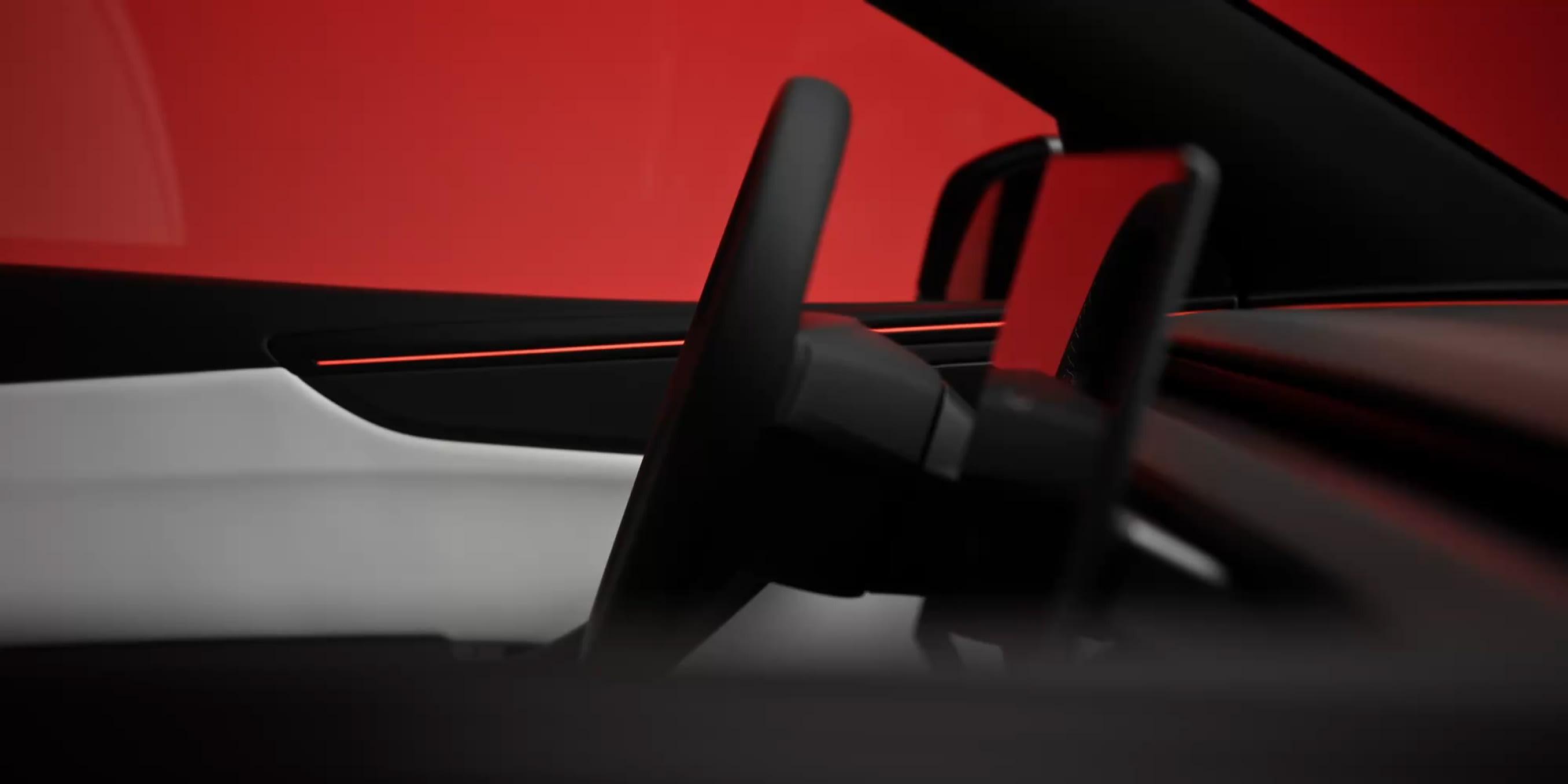
Inside, the changes compound: ventilated front seats, a wraparound ambient light bar, and the 8-inch rear screen that ends back-seat climate diplomacy. None of it is revolutionary; all of it is the difference between a good car and an easy recommendation.
Space: the family-car brief, aced
Fold the rear seats and the Model Y offers up to 76 cubic feet — flat-pack furniture, two mountain bikes with wheels off, or an entire airport run's worth of luggage. The hatch opening is tall and square, the load floor is flat, and the underfloor well hides the stuff you would rather not display.
Daily life is where it wins: a stroller slides in without disassembly, the flat rear floor seats three across without the middle-seat straddle, and the front trunk swallows the charging kit plus the grocery overflow. Some configurations offer a third row for occasional child duty.
It is the practical half of the Model 3 vs Model Y decision, and for households with kids, pets, or hobbies, the premium buys space you will use weekly.
Technology: the car that watches the road
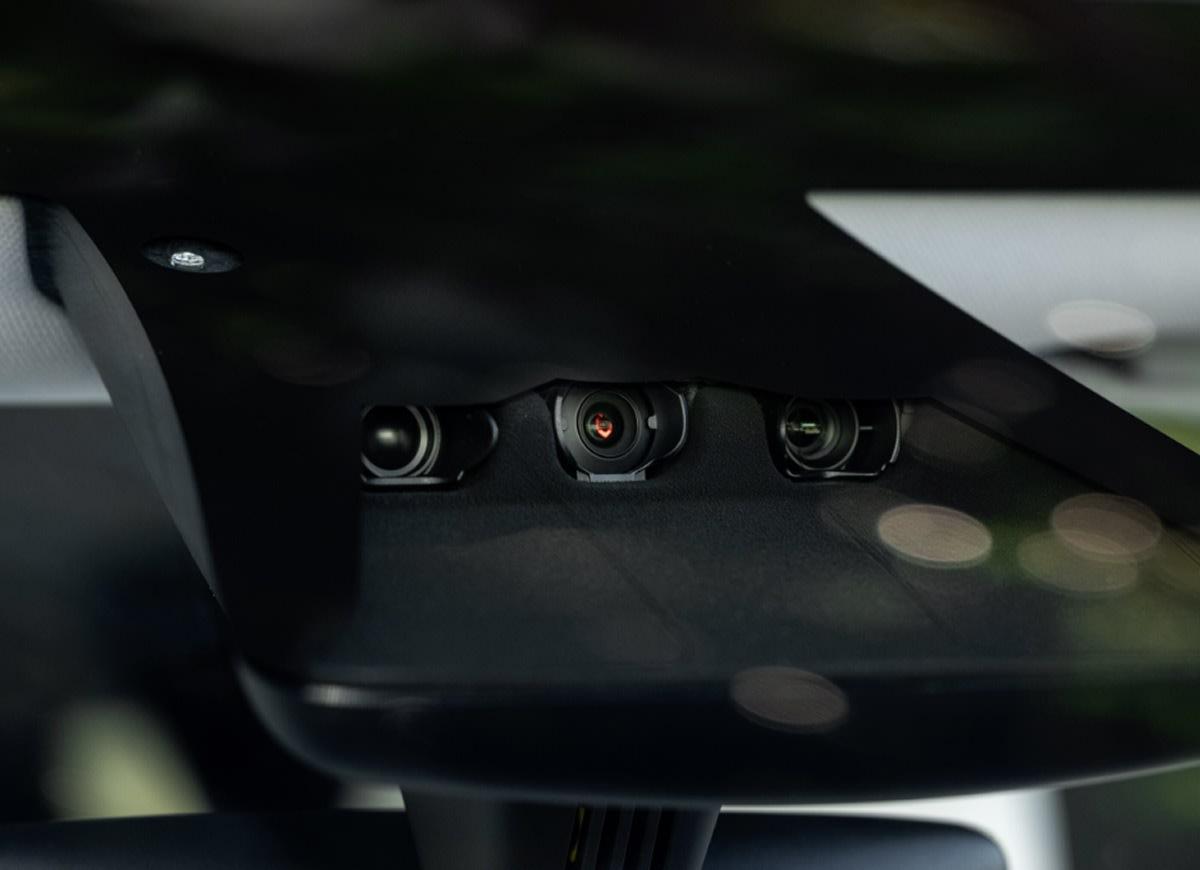
Eight exterior cameras give the Model Y 360-degree awareness feeding Autopilot, automatic emergency braking, blind-spot monitoring, and dashcam/Sentry recording — hardware shared across the lineup and improved continuously over the air.
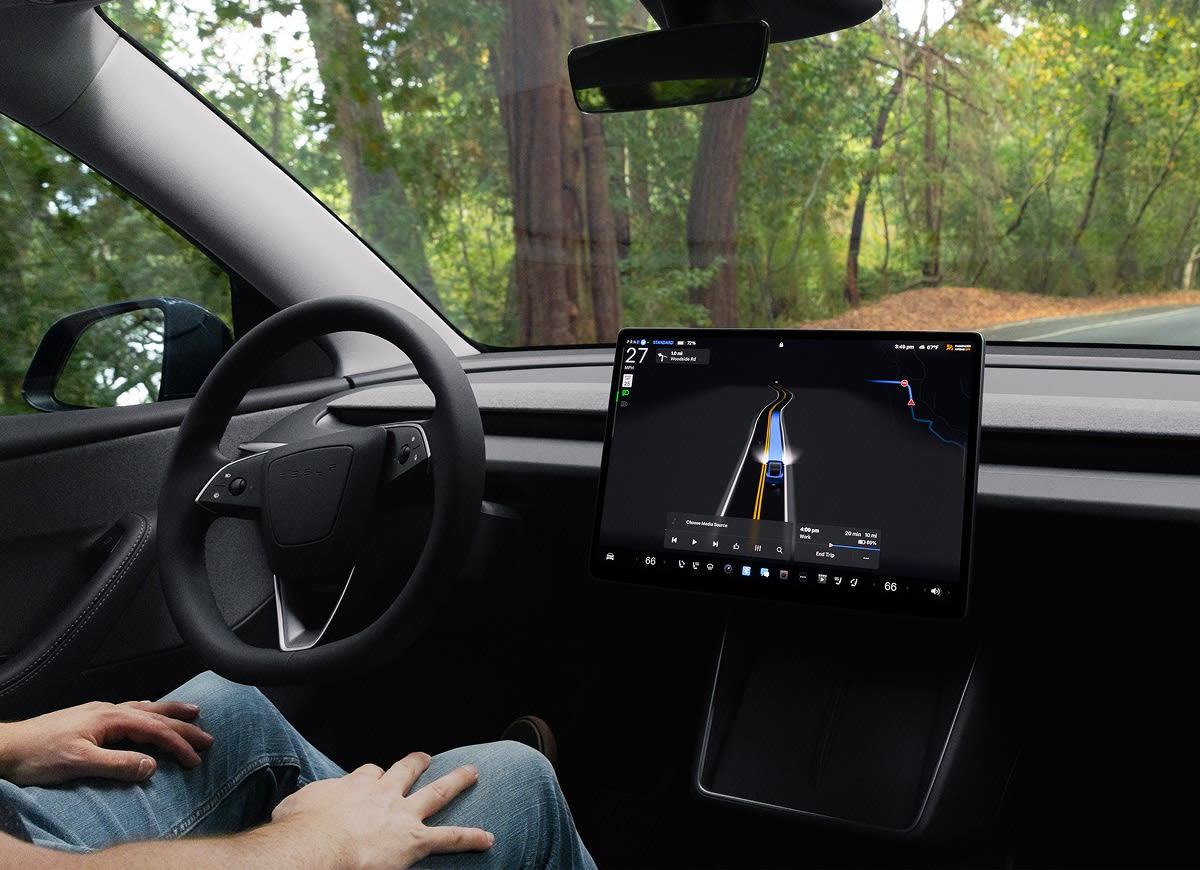
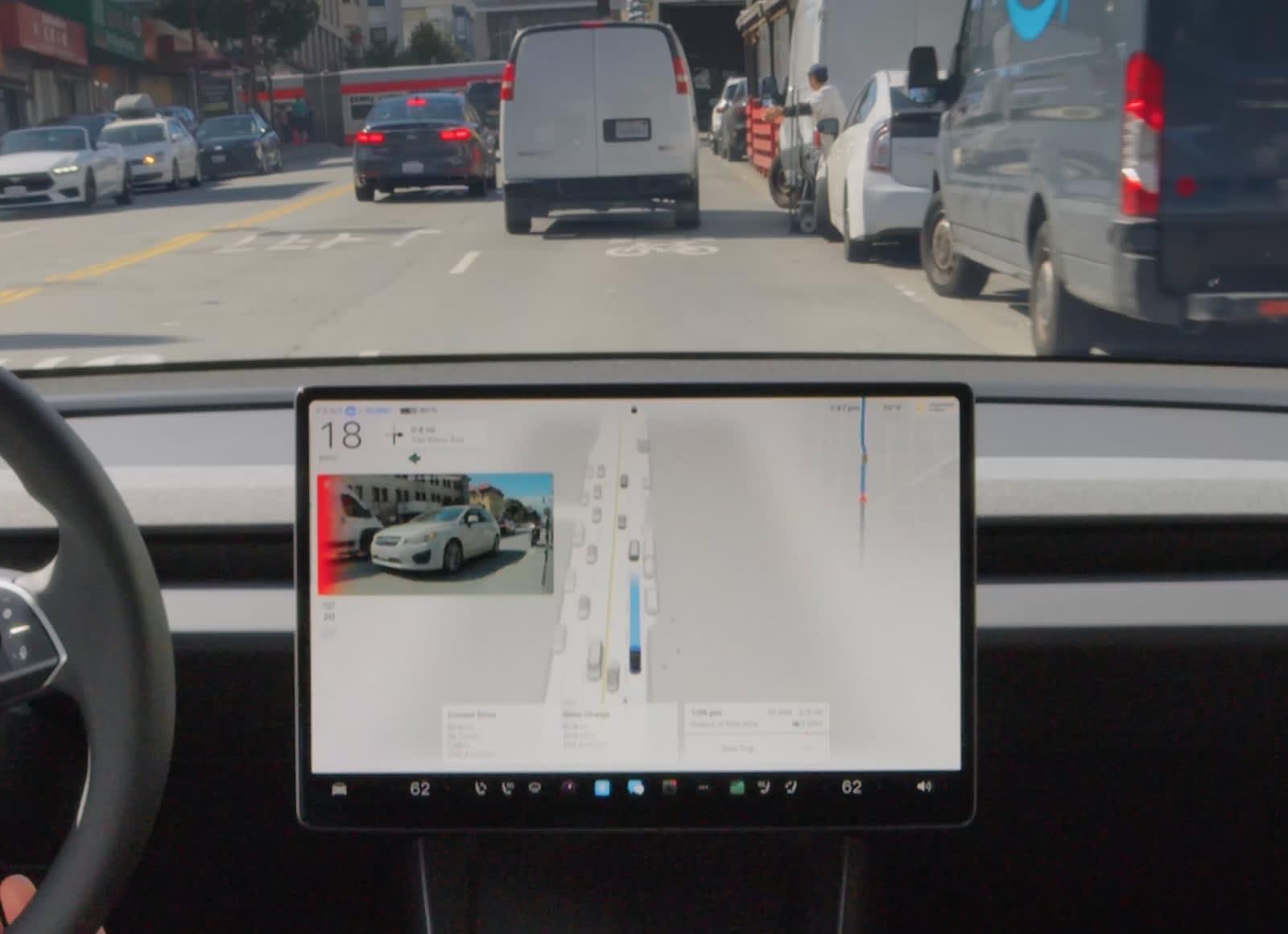
On the road that translates to lane-centering and adaptive cruise that genuinely reduce fatigue, and a visualization on the 15.4-inch display that shows you what the car sees — traffic, pedestrians, lane lines — in real time.
Software is the quiet moat: the Model Y you buy today gains features next month. Used buyers inherit every update free — one of the few cars that appreciates in capability while depreciating in price.
Range and charging in real family life
The average American household drives about 40 miles a day; a Model Y recovers that overnight on even a modest 240V outlet, which means the practical experience is a car that is simply always full. Range anxiety, in daily use, lasts about a week — then the habit of leaving home at 80% every morning replaces it.
Road trips lean on 250 kW Supercharging: 15–20 minutes restores 165–200 miles, the trip planner sequences stops automatically, and the stops themselves land conveniently at meal-and-restroom intervals for anyone traveling with children. Winter trims range 20–30% temporarily; preconditioning on wall power claws much of the comfort cost back.
The home charging guide covers setup in one read, and the running-cost math — roughly 4.5 cents per mile at home rates — is worked through in our ownership breakdown.
Safety: engineered for the family brief
The Model Y holds a five-star NHTSA overall rating, and its structure explains why families gravitate to it: a deep front crumple zone where an engine would be, a floor-mounted pack that both resists rollover and stiffens the cell, and side-impact protection that benefits from the SUV's extra section height.
Active systems come standard — automatic emergency braking, blind-spot collision warning, lane-departure avoidance — and improve over the air, so the car you buy used carries newer safety logic than the day it shipped. Public crash data lives at NHTSA.
Add the camera-based dashcam and Sentry Mode recording, and the Y quietly covers the parking-lot risks no crash rating measures.
Which Model Y should you buy?
- Long Range AWD: the default answer — maximum range, all-weather traction, and the best resale gravity. Most families should stop reading here.
- Long Range RWD (where available): the value pick — the most miles per dollar in the range.
- Performance: ~3.5 seconds to 60 with the family aboard; the fun tax is real but modest, and the sport seats are genuinely good.
On the used market, target verified battery health in the high-80s or better and let trim follow budget. Our battery health guide shows exactly how to read the report we publish on every Model Y listing.
Model Y by the numbers
The dimensions behind the do-everything reputation — approximate, recent model years:
- Length: ~187 in; height: ~64 in — parking-garage friendly where three-row SUVs are not.
- Cargo: ~30 cu ft behind the rear seats, up to 76 cu ft folded, plus a ~4 cu ft frunk.
- Rear seat: flat floor, three-across capable, 40/20/40 fold with a powered option.
- Ground clearance: ~6.6 in — crossover stance without SUV thirst.
- Towing: up to 3,500 lb with the tow package.
- Weight: ~4,200–4,400 lb, carried low in the floor for car-like handling.
- Wheels: 19–21 in; as with the 3, smaller wheels stretch range and shrink tire bills.
It is the packaging exercise the rest of the industry keeps benchmarking: maximum family per square foot of road.
One buying nuance those numbers hide: wheel choice changes the car. The 19-inch setup rides softest, ranges farthest, and re-tires cheapest; the 20s and 21s trade a little of each for stance. On a used example, factor the wheels into the price the same way you factor the trim — over five years of tires, the difference is real money.
FAQ: Tesla Model Y
How far does a Model Y go on a full charge? Up to roughly 330 EPA-rated miles when new, trim depending. Healthy used examples typically deliver 250–290 real highway miles; winter trims that temporarily by 20–30%, as with every EV.
Is the Model Y good for families? It is arguably the benchmark family EV: 76 cubic feet of cargo, a flat three-across rear floor, top-tier crash ratings, and running costs of pennies per mile. The rear touchscreen ends the climate wars, too.
Can the Model Y tow? Yes — up to 3,500 pounds with the tow package: small campers, jet skis, utility trailers. Expect reduced range while towing and plan stops accordingly.
Does the Model Y have seven seats? Some configurations offer a compact third row suited to children on shorter trips. For regular seven-passenger duty, the Model X is the honest answer.
How much does a used Model Y cost? Typically the mid-$20,000s to the high-$30,000s depending on year, trim, mileage, and battery health — check live inventory for today's numbers, verified battery report included.
The bottom line
The Model Y earned its best-seller crown the boring way: by being excellent at everything that matters and terrible at nothing. Range, space, safety, software, cost per mile — every box, ticked, in one unassuming shape.
Every Model Y we list is battery-verified and facility-inspected, with transparent financing estimates and nationwide delivery. Find the one that fits — your only regret will be the road trips you now have no excuse to skip.
Ready to find your Tesla?
Every vehicle inspected, battery-verified and backed by the Lathrop facility.
Browse Inventory