Tesla Model 3 Buyer's Guide: Specs, Range and Value
The Tesla Model 3 is the best-selling electric sedan ever built, and the most accessible way into a Tesla — up to roughly 358 miles of EPA-rated range, 0–60 from 5.8 down to about 3 seconds, and running costs that embarrass gas rivals. Here is the complete guide.
Key takeaways
- The Model 3 is the most affordable Tesla and the best-selling electric sedan in history — refined, efficient, and genuinely quick.
- Range runs from roughly 272 miles (RWD) to about 358 miles EPA (Long Range, year-dependent); the Performance trim hits 60 in around 3 seconds.
- It is the most efficient car in the lineup: real-world energy costs of roughly 4 cents per mile with home charging.
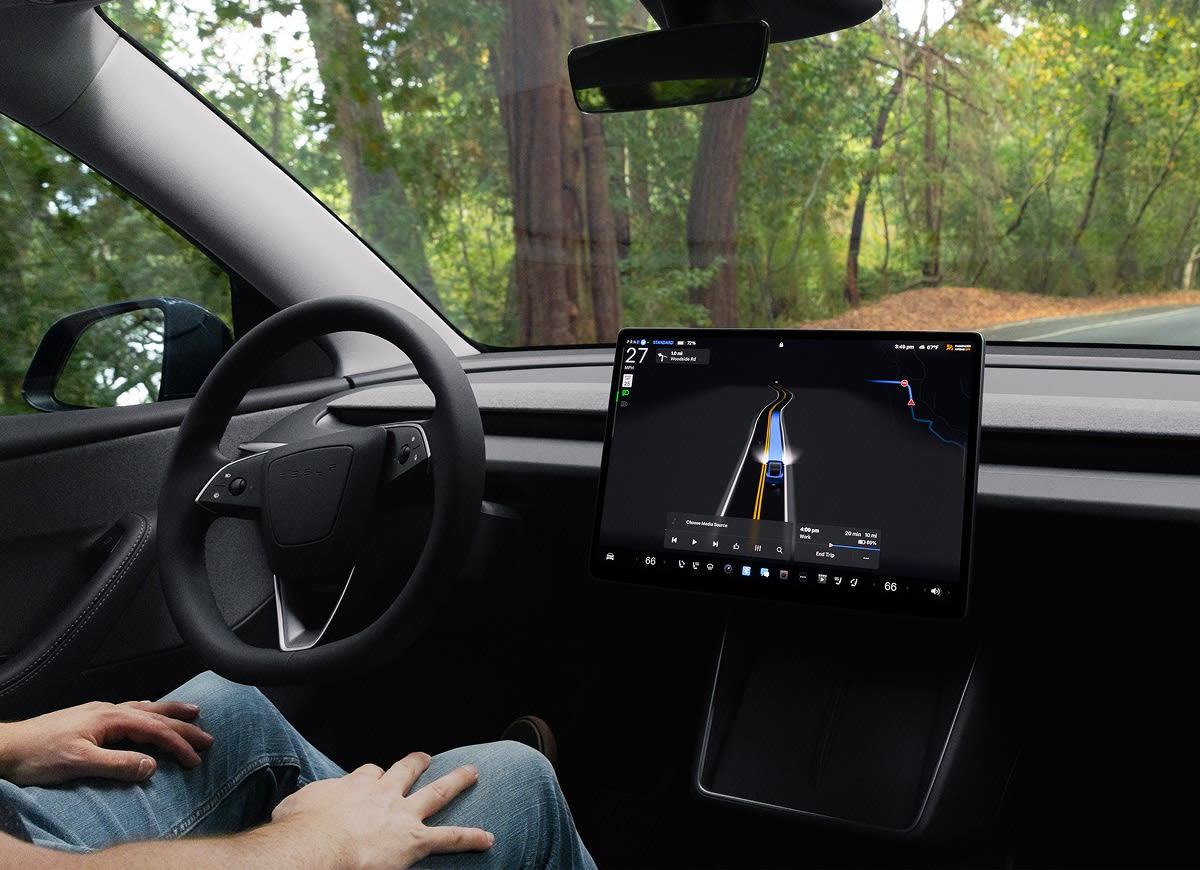
- The refreshed interior is quieter and sharper, with a 15.4-inch center display and an 8-inch rear screen.
- Used, the Model 3 is the strongest value in EVs — provided battery health is verified. Ours always is.
Why is the Tesla Model 3 the default first Tesla?
Because it distilled everything that made the flagship cars special — instant torque, minimalist cabin, over-the-air updates, Supercharger access — into a package priced against ordinary sedans. The result became the best-selling electric car of its era and the single most common gateway into EV ownership.
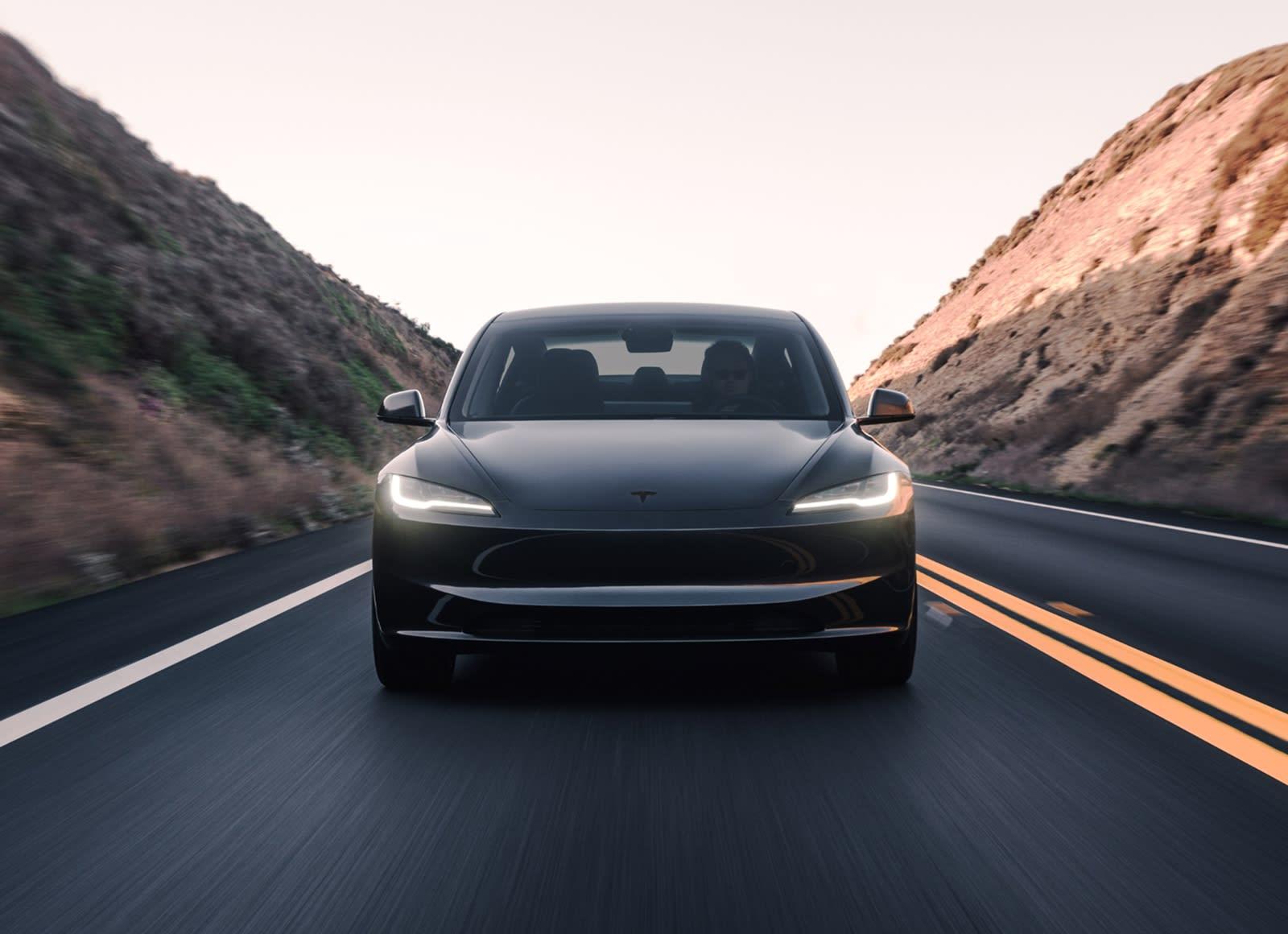
It is also, quietly, the driver's car of the lineup: the lightest, lowest, most agile Tesla. The steering is quick, the balance is genuine, and even the base car out-sprints most hot hatches. None of its mainstream rivals feel this alert.
And the value case compounds on the pre-owned market, where the Model 3 delivers the lowest cost-per-mile of any Tesla. See what that looks like in current Model 3 inventory.
Trims and performance: RWD, Long Range, Performance
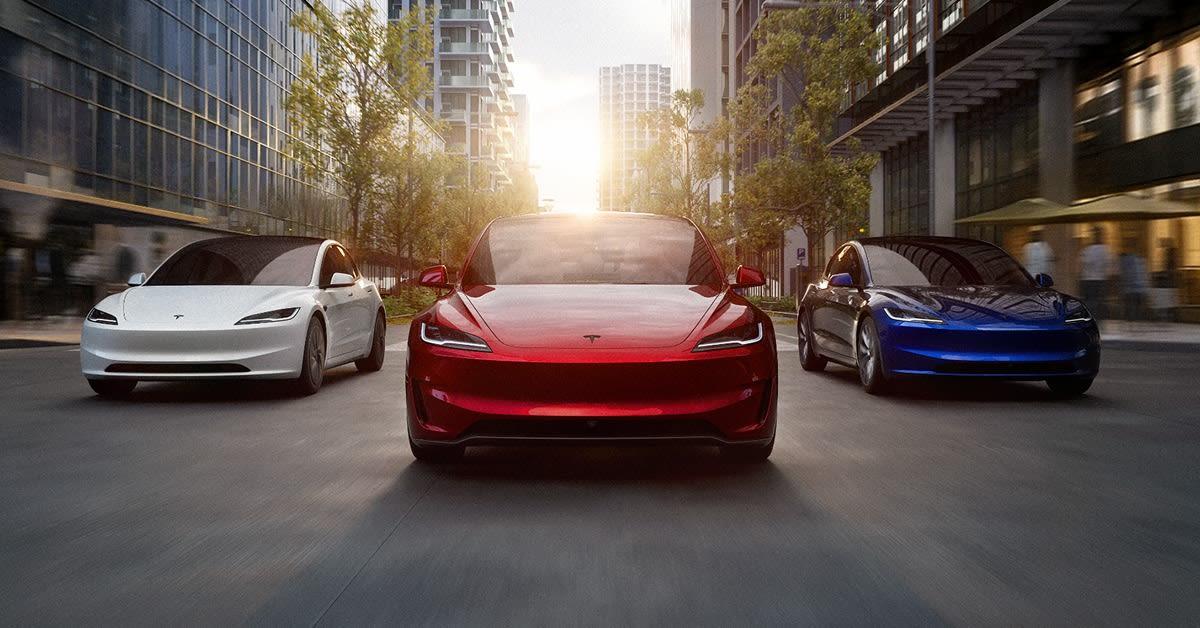
- Model 3 RWD: the essential recipe — roughly 272 miles EPA, 0–60 in about 5.8 seconds, and the lowest running costs of any Tesla. Quicker than it sounds; efficient beyond argument.
- Model 3 Long Range AWD: the do-everything pick — up to ~358 miles EPA depending on year, dual-motor traction, 0–60 around 4.2 seconds. The spread of ability per dollar here is the best in the lineup.
- Model 3 Performance: around 510 hp, adaptive suspension, track mode, and 0–60 in roughly 3 seconds. A legitimate sports sedan that still commutes at 4 cents a mile.
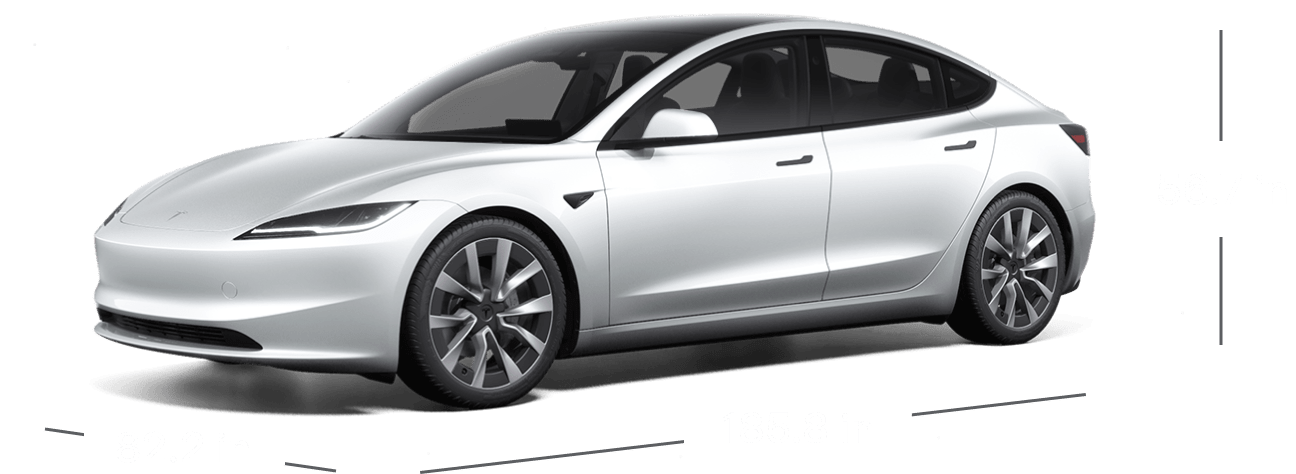
Whichever trim, the fundamentals hold: sub-0.23 drag coefficient, a floor-mounted battery for a low center of gravity, and steering tuned closer to sport sedan than commuter.
Used-market note: trim badges matter less than battery health and year. A verified Long Range from the refreshed generation is the configuration we point most buyers toward — the balance point of range, refinement, and price that made the Model 3's reputation in the first place.
Range, efficiency and charging costs
The Model 3 is the efficiency champion of the lineup — roughly 250 Wh per mile in typical driving, which translates to about 4 cents per mile at average home electricity rates. A 30-mpg gas sedan spends three times that at the pump.
All range figures are EPA estimates for the vehicle when new; real range flexes with temperature, speed, and battery age. But because the 3 is so efficient, even winter's 20–30% temporary haircut leaves generous daily margin, and 250 kW Supercharging restores about 175 miles in 15 minutes on the road.
Do the full math in our true cost of Tesla ownership breakdown — the Model 3 is the car that makes that math sing. Home setup takes one evening to arrange with our charging guide.
Under the floor: the platform that changed the industry
The Model 3's structural battery-and-drive-unit platform is why the car feels carved from one piece. The pack sits between the axles, below your feet — a center of gravity no gas sedan can match — and the motors that drive it are the same architecture the Lathrop facility remanufactures to factory spec every day.
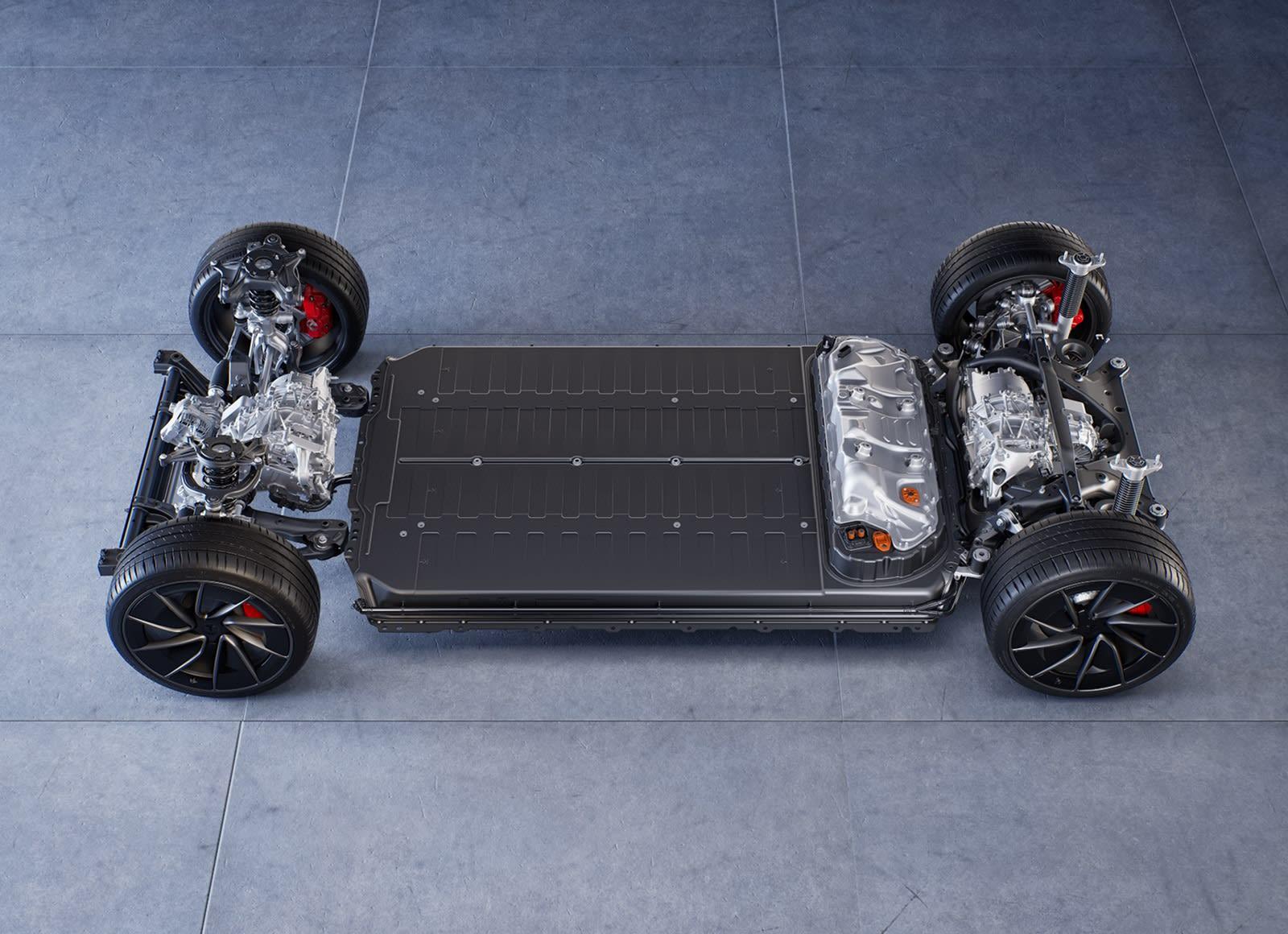
For a buyer, that architecture pays off twice: crash structure (five-star NHTSA overall) and durability. Drive units in this family routinely outlast the cars around them, and when one does need work, remanufactured replacements keep costs sane. It is engineering that ages well — the whole point of buying one used.
Inside: minimalism that works
One 15.4-inch landscape screen runs everything, and after a day the arrangement feels obvious: navigation and speed live top-right where your eyes already go, and over-the-air updates keep adding features the car did not ship with — a car that improves while parked in your driveway.
The refreshed generation brought real gains: acoustic glass all around and a measurably quieter cabin, a stitched wraparound dash with ambient lighting, ventilated-seat options, and an 8-inch rear touchscreen for climate and entertainment. Rear passengers stopped being second-class citizens.
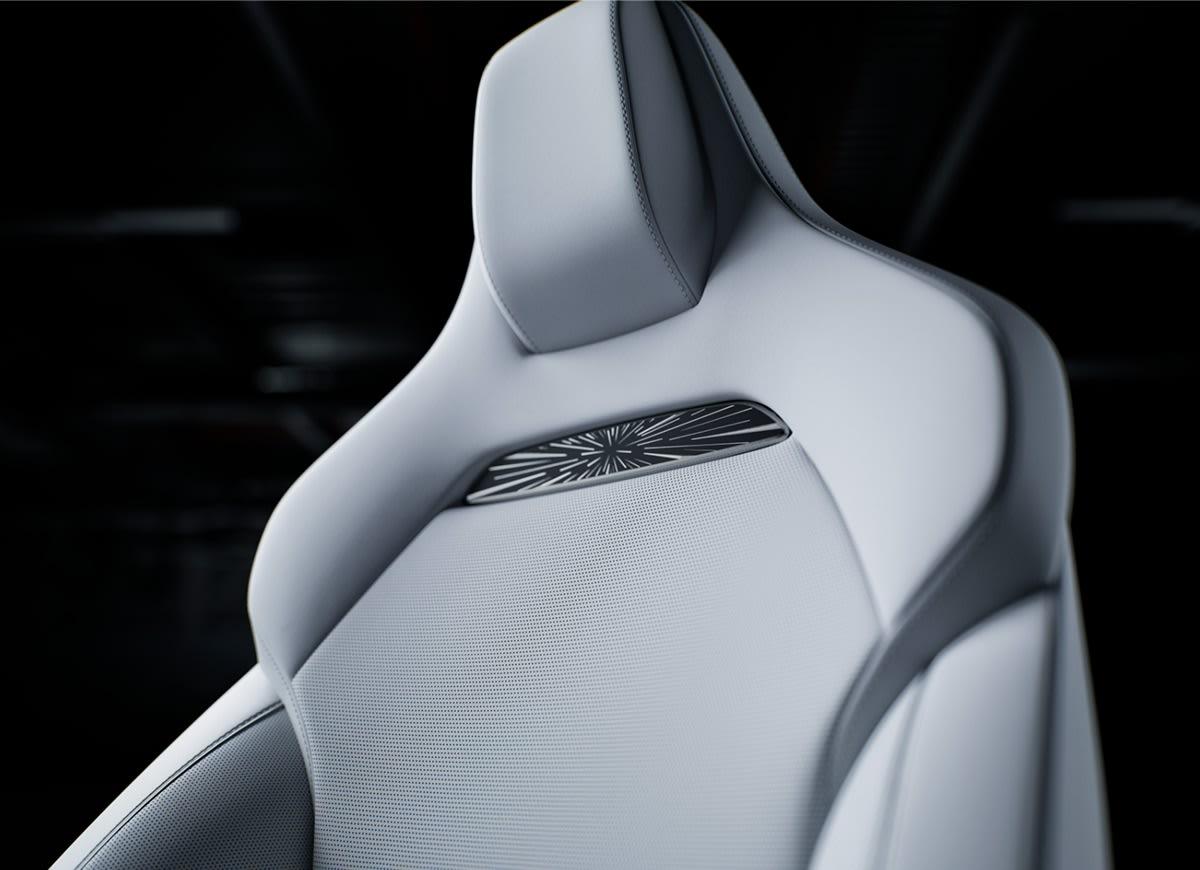
Performance trims add genuinely supportive sport seats — bolstered for the car's cornering, comfortable for the commute it will actually spend most of its life doing.
Safety: five stars, every category
The Model 3 carries a five-star overall rating from NHTSA — with five stars in every subcategory — and multiple years of IIHS Top Safety Pick+ recognition. The architecture does the heavy lifting: no engine block means a deep crumple zone up front, and the floor-mounted pack resists rollover while stiffening the passenger cell.
Active safety rides on eight cameras: automatic emergency braking, blind-spot warning, lane-departure avoidance, and Autopilot's lane-centering adaptive cruise — standard, and improved continuously over the air. Crash-test details are public at NHTSA.
For families cross-shopping compact SUVs on safety grounds, this sedan concedes nothing — a point buyers routinely miss until they read the ratings side by side.
Running costs: the arithmetic that closes the deal
Take a 12,000-mile year. A Model 3 at ~250 Wh/mi and average home rates spends roughly $500 on energy; a 30-mpg gas sedan at $3.50 a gallon spends about $1,400 on fuel. Add oil changes, transmission service, and brake wear the Tesla simply does not have, and the annual gap widens toward $1,300–$1,500.
- Energy: ~$40–$50/month at home rates; less on off-peak EV plans.
- Maintenance: ~$300–$500/year — filters, wipers, rotations, little else.
- Tires: the honest line item — $25–$40/month amortized.
- Insurance: quote before you buy; it typically runs above a comparable gas sedan.
Over a five-year ownership the running-cost delta funds a meaningful slice of the car itself — the full worked example lives in our ownership cost guide.
Which Model 3 should you buy?
- Commuters and first-time EV buyers: the RWD. Its efficiency is untouchable and the used price of entry is the lowest in the Tesla world.
- One car for everything: the Long Range AWD — range, traction, and pace with no meaningful compromise. Our most-recommended configuration.
- The enthusiast who grew up: the Performance. Sports-sedan capability, EV running costs, school-run manners.
If you are weighing the 3 against its SUV sibling, our Model 3 vs Model Y comparison settles it in five minutes: buy the Y for space, the 3 for range-per-dollar and driving feel.
A used Long Range with verified battery health in the high-80s or better is, for our money, the single best value in electric cars right now — the current listings make the case in numbers.
Model 3 by the numbers
The details that decide whether it fits your garage and your life — approximate, recent model years:
- Length: ~185.8 in; width: ~72.8 in mirrors folded; height: ~56.7 in. Mid-size footprint, compact agility.
- Curb weight: ~3,900–4,050 lb depending on trim — light for an EV, and it shows in the corners.
- Drag coefficient: as low as ~0.22 — among the slipperiest production cars sold, and a direct contributor to range.
- Cargo: ~21–23 cu ft combined trunk and frunk; rear seats fold 60/40 for the flat-pack runs.
- Wheels: 18–20 in; the smaller wheels buy measurable extra range and cheaper tires.
- Displays: 15.4-in center, 8-in rear on the refreshed generation.
Every dimension serves the same brief: maximum range and interior room from minimum footprint and weight.
FAQ: Tesla Model 3
Is a Tesla Model 3 worth buying in 2026? Yes — particularly pre-owned. Early depreciation has been absorbed by the first owner, running costs are roughly a third of a comparable gas sedan's, and verified-battery examples remove the main unknown. It remains the benchmark affordable EV.
Which Tesla Model 3 has the longest range? The Long Range trim, at up to roughly 358 EPA-rated miles depending on model year — the RWD sits near 272, the Performance near 296. EPA figures describe the car when new.
How fast is the Model 3 Performance? Around 510 hp and 0–60 in roughly 3 seconds — supercar acceleration territory, with track mode for circuit days.
How long will a Model 3 battery last? The warranty runs 8 years/100,000–120,000 miles with 70% retention guaranteed, and real packs typically age far more gracefully. Our guide to battery health reports shows exactly what to check.
Model 3 or Model Y? Space versus efficiency. If you carry people and cargo regularly, the Y earns its premium; if not, the 3 is the sharper, cheaper, longer-legged car.
The bottom line
The Tesla Model 3 is the car that made EVs normal — and in 2026 it is the smartest money in the lineup: benchmark efficiency, real driver appeal, and a used market rich with battery-verified examples at gas-sedan prices.
Every Model 3 we sell is diagnostically battery-tested, facility-inspected, and available with transparent financing estimates and nationwide delivery. Find yours — the first Tesla is the one you never quite stop recommending.
Ready to find your Tesla?
Every vehicle inspected, battery-verified and backed by the Lathrop facility.
Browse Inventory