
Fleet & Commercial
Put your business on electric.
Fleet electrification with the numbers up front: verified vehicles, remanufactured parts supply, and a total-cost analysis that shows exactly where the savings live.
Why fleets electrify with Lathrop
Lower total cost of ownership
Fuel and maintenance are the largest controllable line items in a light fleet — and both drop sharply with EVs. Energy at a fraction of fuel cost, no oil changes, brakes that last six-figure mileage.
Uptime, backed by the source
Fleet vehicles are supported by the same Lathrop operation that remanufactures drive units, batteries, and power electronics — parts supply and repair capability under one roof, not a third-party chain.
Verified vehicles at scale
Every fleet vehicle ships with a diagnostic battery health read and documented multi-point inspection, so acquisition risk is measured, not guessed.
One relationship, end to end
Acquisition, financing estimates, charging guidance, accessories, delivery, and ongoing support — coordinated through a single fleet account contact.
Work Vehicles
From sedans to the job site.
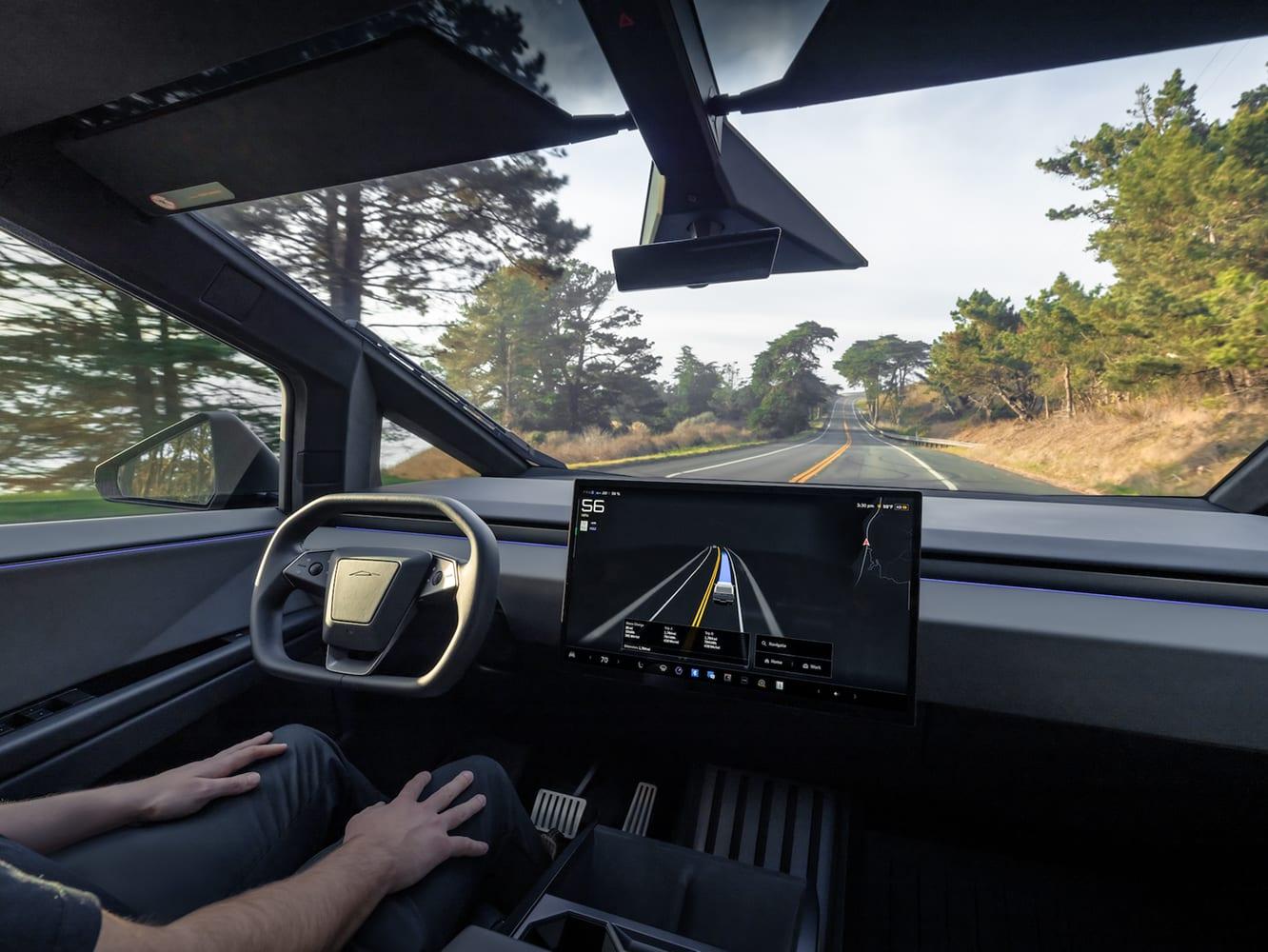
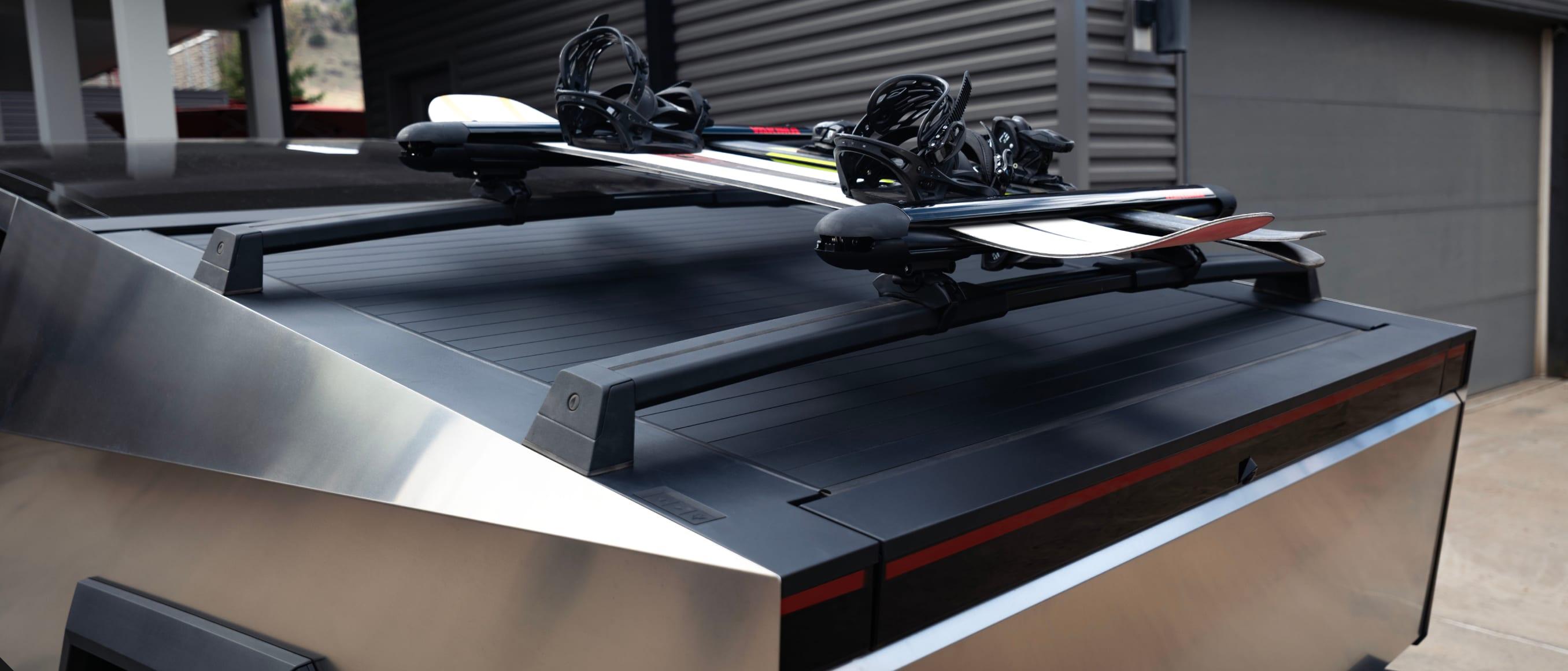
Model 3 and Model Y cover sales, delivery, and service routes at the lowest cost per mile in the fleet world. Cybertruck adds 2,500 pounds of payload, 11,000 pounds of towing, and up to 11.5 kW of onboard power — a mobile generator that replaces fuel runs and rental units on site.
How the fleet program works
Consultation
Tell us your duty cycle: routes, mileage, payload, and parking. We map which models fit and what charging you actually need.
TCO analysis
A line-by-line cost comparison against your current fleet — energy, maintenance, insurance, and acquisition — with estimates clearly marked.
Acquisition & delivery
Vehicles are inspected, battery-verified, and delivered on your schedule — singly or in batches, nationwide.
Ongoing support
Dedicated fleet contact for service coordination, parts, accessories, and adding vehicles as you scale.
The business case
Where fleet savings actually come from.
Fleet economics are simpler than consumer economics because the mileage is higher and the accounting is honest. Fuel and maintenance are the two costs that scale with every mile driven, and both fall sharply with electric vehicles. A sales or service vehicle covering 25,000 miles a year spends roughly $2,900 on gasoline at 30 mpg; the same miles in a Model 3 cost about $1,000 in electricity at average commercial rates — before any off-peak charging plan.
Maintenance compounds the gap. No oil changes, no transmission service, no exhaust work, and brake pads that routinely pass 100,000 miles because regenerative braking does most of the slowing. For a fleet manager, that translates into fewer shop visits, fewer loaner days, and less unplanned downtime — which is usually worth more than the line-item savings themselves.
The costs that rise are insurance and tires, and we quote both honestly up front rather than letting them surprise you in year two. Several states also levy an annual EV registration surcharge, typically $50–$250 per vehicle, which belongs in any serious projection. Our full consumer breakdown in the true cost of Tesla ownership applies to fleets at scale, and we run the same model against your actual routes.
Charging infrastructure is the decision that deserves the most planning. Depot charging on a dedicated circuit is almost always cheaper per mile than public DC fast charging, and many utilities offer commercial rebates covering a meaningful share of installation. Get the charging plan right and the rest of the transition is straightforward — vehicles arrive inspected, battery-verified, and ready to enter service.
Talk to the fleet team
Two vehicles or two hundred — the analysis starts with a conversation about your routes, and every figure we quote is an estimate you can hold us to explaining.