
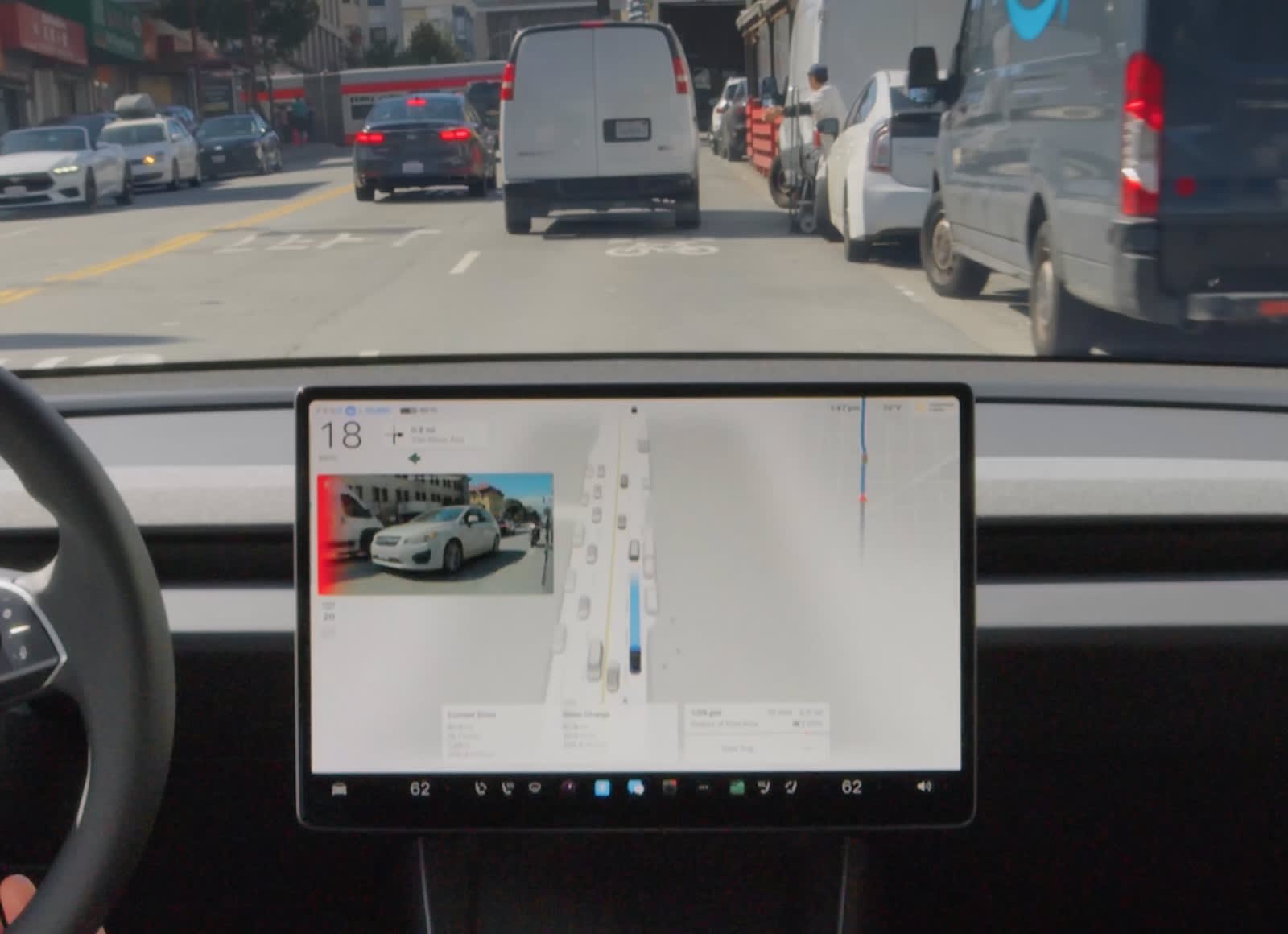
Autonomy
The driver is gone.
The fleet is real.
Six US metros now carry paying passengers with nobody in the front seat, and the purpose-built Cybercab started public service in Austin this month. Here is exactly where Robotaxi runs, what it costs per mile, and why California is still waiting.
Independently compiled from public filings and operator disclosures · verified 2026-09-20
metros with fully driverless public service
EPA-rated Cybercab range, single-motor RWD
per mile, on top of a $3.00–3.25 base fare
seats — no steering wheel, no pedals
Where Tesla Robotaxi runs today
Driverless service reached Texas first, then jumped to Florida in July 2026. California — the state that builds the cars — remains the strictest market in the country.
June 2025 pilot, unsupervised since January 2026. First city to carry paying Cybercab riders.
Unsupervised from April 2026.
Unsupervised from April 2026.
July 2026 — first driverless service outside Texas.
Launched alongside Miami in July 2026.
Launched alongside Miami in July 2026.
Vehicles are on the road, but state rules keep a trained safety monitor in the seat.
The hardware
Eight cameras. No lidar.
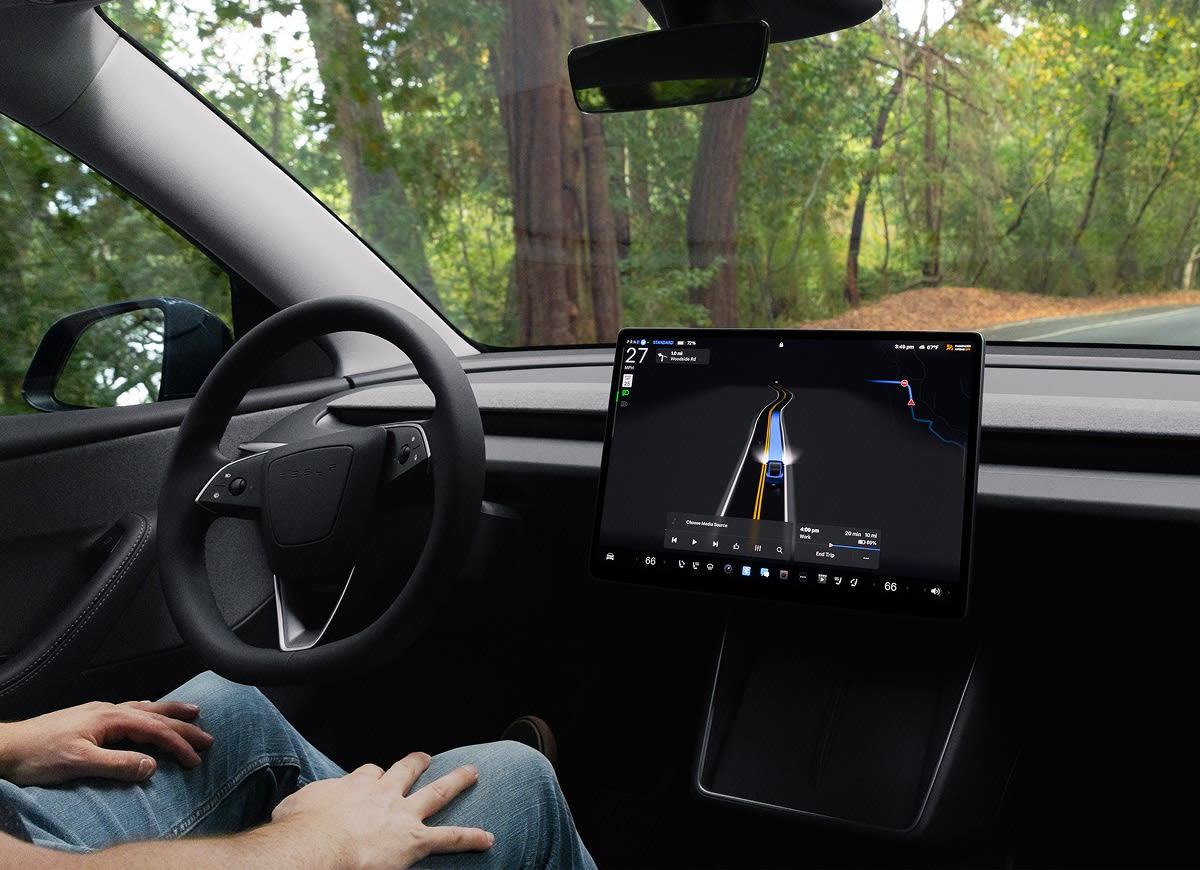
The Hardware 4 compute and camera array carrying driverless rides in Austin is the same platform generation fitted to current retail vehicles.
Pictured: Model Y under Full Self-Driving — the vehicle carrying the fleet's driverless rides today.
Three vehicles, one stack
Every vehicle in the fleet runs the same camera-only vision system on Hardware 4 compute — no lidar, no radar. That single decision is what separates Tesla's economics from every other operator on the road.
Model Y
The volume workhorse of the fleet. Four passengers plus luggage, front and rear screens, and the same HW4 compute stack the retail cars carry. Every unsupervised ride before September 2026 happened in one of these.
Cybercab
Purpose-built for autonomy: two seats, butterfly doors that open on approach, a single centre screen, and no steering wheel, pedals, mirrors or rear window. Production began at Gigafactory Texas in February 2026.
Robovan
High-occupancy microtransit aimed at groups and accessibility-first trips. Shown publicly but not yet carrying passengers.
Rollout
From safety monitor to no steering wheel in fifteen months.
Two dates matter more than the rest: January 2026, when the monitors came out of the cars, and September 2026, when a vehicle with no manual controls started taking fares.
Austin pilot opens
Service launches with modified Model Y vehicles and a human safety monitor riding in every car.
First unsupervised vehicles
Monitors begin coming out of the cars in Austin — the first genuinely driverless paid rides.
Cybercab enters production
The first production Cybercab leaves the line at Gigafactory Texas, sixteen months after the concept was shown.
Dallas and Houston go driverless
Unsupervised service reaches two more Texas metros. The Robotaxi app arrives on Android on 27 April, almost a year behind iOS.
Out of Texas
Miami, Orlando and Tampa launch driverless simultaneously — the first service outside Texas.
Cybercab carries passengers
The purpose-built two-seater begins paid public service in Austin. No steering wheel, no pedals, no fallback.
Fares
How much does a Tesla Robotaxi ride cost?
Pricing is set per metro, and the two published rate cards are structured differently enough that which city is cheaper depends entirely on how far you are going.
What a ride actually looks like
Sign in
The Robotaxi app (iOS since 2025, Android since April 2026) uses your existing Tesla Account.
Set a destination
Pickup and drop-off must both sit inside the mapped service area for that metro.
Check the quote
Fare and wait time are shown before you commit. Pricing is dynamic, so it moves with demand.
Match the plate
The app shows the licence plate of the car coming for you. Confirm it before you open the door.
Start the ride
Belt up, tap Start Ride. Mid-trip you can change the drop-off, adjust climate and audio, or ask the car to pull over.
Inside
The cabin does the talking.
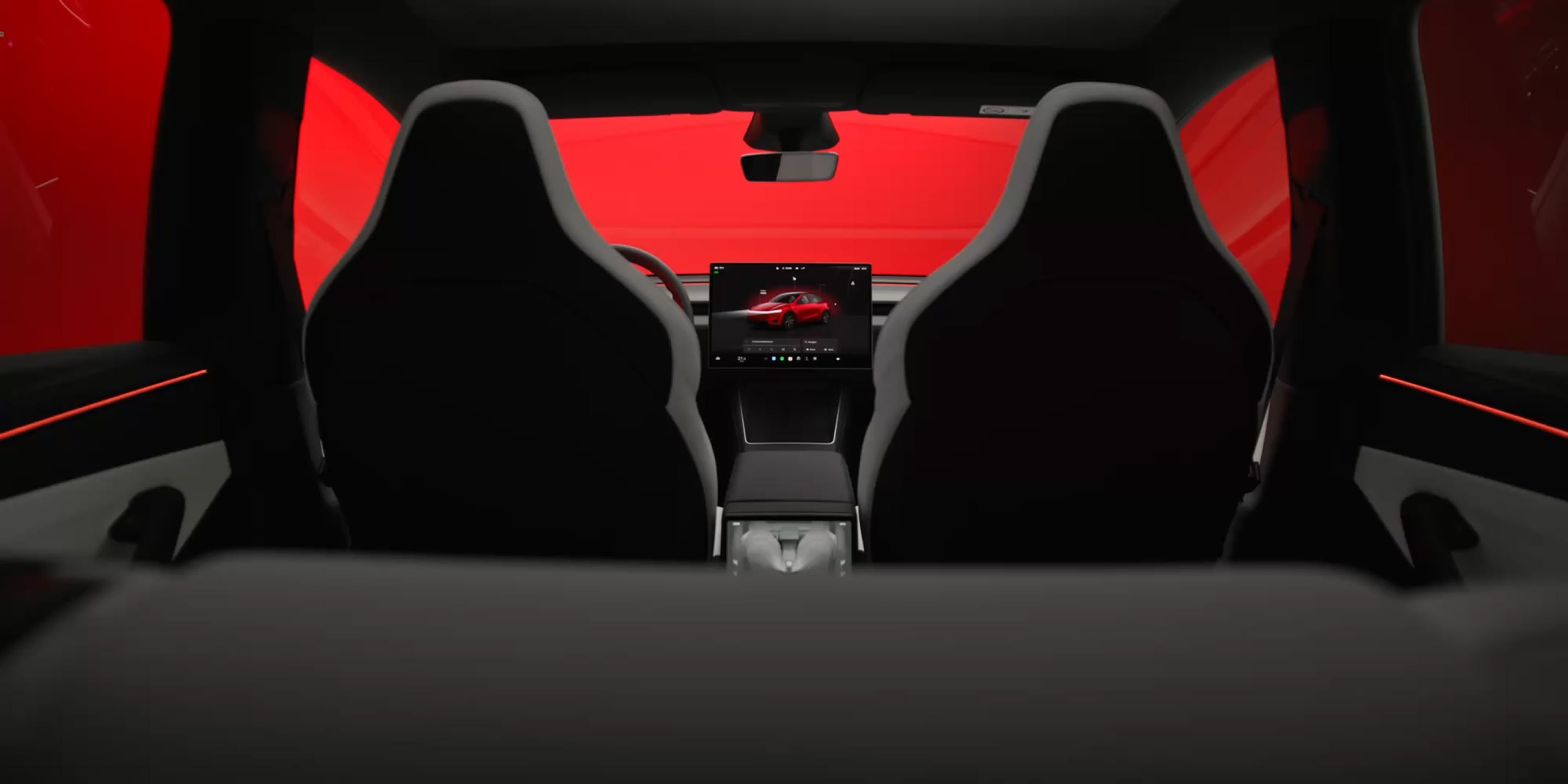
With no driver to ask, the screen and your phone become the whole interface. Climate, audio, seat position and the drop-off point are all rider-controlled — and the car will wait until you tap Start Ride before it moves.
The Cybercab takes this further: two seats, one centre screen, and no controls at all on the dash side of the cabin.
Pictured: Model Y interior.
The competition
Tesla vs Waymo, honestly.
Tesla gets the coverage. Waymo has more cars on more roads, and it is not close. Both of those are true, and most write-ups give you only one of them.
Texas fleet, like for like
Texas fleet
Metros with public service
- Vehicles in service
- ~25Tesla · Texas only, late April 2026
- ~4,000Waymo · nationwide
- Paid rides per week
- Not disclosedTesla · no public figure published
- 500,000+Waymo · nationwide
- Sensor approach
- Cameras onlyTesla · Hardware 4, no lidar or radar
- Camera + lidar + radarWaymo · sensor fusion
California
Built here. Not yet driverless here.
California splits autonomous-vehicle authority between the DMV and the CPUC, and a driverless passenger service needs clearance from both. Texas and Florida have no comparable pre-approval regime, which is why Austin got driverless rides fourteen months before the Bay Area got a permit conversation.
The practical effect for anyone in the Central Valley or the Bay Area: you can ride, but a trained monitor sits up front. Service has not been announced for Sacramento, Stockton, Modesto or the Lathrop corridor.
What this means if you own the car
The compute and sensor hardware doing the driving in Austin is the same HW4 platform in current retail vehicles. Autonomy capability now tracks software entitlement and hardware generation rather than model year — which makes knowing your car's exact hardware revision a genuinely useful thing before you buy used.
Common questions
Can I ride a Tesla Robotaxi in California?
Only with a safety monitor aboard. Tesla operates in the San Francisco Bay Area, but California's autonomous-vehicle permitting is stricter than Texas or Florida, so a trained employee rides in the vehicle. Fully driverless public service has not been authorised in the state as of September 2026.
How much does a Tesla Robotaxi ride cost?
Fares vary by metro and by demand. Austin has run a $3.25 base fare plus roughly $1.00 per mile; Dallas has run a $3.00 base plus roughly $1.40 per mile. The app quotes the actual price before you confirm, and dynamic pricing means peak-hour trips cost more.
Does the Cybercab have a steering wheel?
No. The Cybercab ships without a steering wheel, pedals, side mirrors or rear window. It is a two-seat vehicle designed only for autonomous operation, which is why it cannot be driven manually and is not sold the way a Model 3 or Model Y is.
Does Tesla Robotaxi use lidar?
No. Tesla runs a camera-only vision stack on Hardware 4 compute. That is the central technical difference from Waymo and Zoox, which both pair cameras with lidar and radar. It keeps per-vehicle cost far lower and is the reason Tesla can target sub-$30,000 build costs.
How big is Tesla's Robotaxi fleet compared to Waymo?
Waymo is still substantially larger, operating roughly 4,000 vehicles across 14 metros and more than 500,000 paid rides per week. Tesla's fleet started far smaller — around 25 unsupervised cars across three Texas cities in April 2026 — but grew to roughly 37% of Waymo's Texas fleet by late August 2026.
Is the Robotaxi app accessible?
Yes. The app is screen-reader compatible and available in 29 languages. The vehicles accommodate service animals and have trunk space for folding wheelchairs and other assistive devices.
The fleet runs on the cars we rebuild.
Drive units, high-voltage packs and power electronics from the Lathrop campus keep Teslas on the road — whether a person is steering or not.